
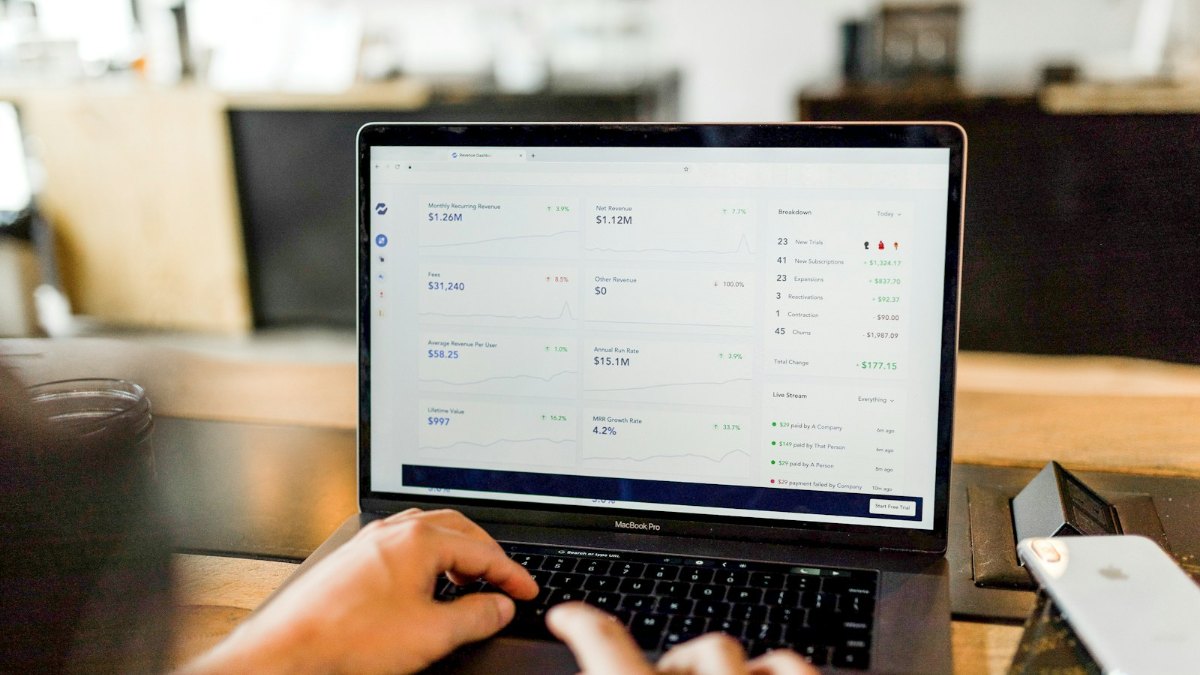
If you have ever checked mail in Gmail, jumped on a Zoom call or sent an invoice from QuickBooks Online, you have already used SaaS. Most of us spend the whole workday inside these tools without thinking about the label. This guide pulls together real SaaS examples, grouped by what they actually do, so the term finally feels concrete.
A quick refresher first. Software as a service means the vendor runs the application on its own servers and you reach it through a browser or an app, usually for a monthly or yearly fee. The NIST glossary definition of SaaS puts it the same way: the provider manages the infrastructure, and you simply use the application. If you want the full background, start with our guide on what SaaS is and how it works.
What Makes a Product One of the SaaS Examples?
A tool counts as SaaS when three things are true:
- You don’t install or host it. The vendor looks after servers, updates, security patches and backups.
- You pay for access, not ownership. Pricing is usually per user per month, per feature tier, or by usage.
- Your data lives in the vendor’s cloud. Sign in from any laptop or phone and your work is there.
That rules out a boxed copy of old desktop software, or a WordPress site you run on your own hosting. It might be similar software, but the delivery model is different.
30+ SaaS Examples by Category
Here are the products people mention most when they talk about SaaS, sorted by the job they do.
Communication and Collaboration
- Slack – team chat organised into channels, with thousands of app integrations.
- Zoom – video meetings, webinars and phone, billed per host.
- Microsoft Teams – chat, calls and file sharing bundled into Microsoft 365.
- Google Workspace – Gmail, Docs, Sheets, Drive and Meet under one subscription.
Sales and CRM
- Salesforce – the best-known enterprise CRM and one of the earliest pure SaaS companies.
- HubSpot – CRM plus marketing, sales and service tools, with a free starting tier.
- Pipedrive – a simpler, pipeline-first CRM popular with small sales teams.
Marketing, SEO and Design
- Mailchimp – email marketing and automation.
- Semrush and Ahrefs – keyword research, backlink data and rank tracking.
- Canva – browser-based design for social posts, slides and ads.
- Hootsuite – scheduling and reporting across social networks.
- Figma – collaborative interface and product design in the browser.
Finance, Payments and Payroll
- QuickBooks Online and Xero – cloud accounting for small businesses.
- Stripe – online payments and subscription billing.
- Gusto – payroll, benefits and HR for small teams.
Project and Work Management
- Asana, Trello and monday.com – task boards, timelines and workflows.
- Notion – docs, wikis and lightweight databases in one workspace.
- Jira – issue tracking built for software teams.
Customer Support
- Zendesk, Freshdesk and Intercom – help desks, live chat and knowledge bases.
Storage, E-commerce and HR
- Dropbox and Box – cloud file storage and sharing.
- Shopify – a complete online store you rent rather than build.
- BambooHR – employee records, time off and onboarding.
Consumer SaaS Examples
- Netflix and Spotify – streaming delivered as a subscription service.
- Duolingo – language lessons with a free tier and a paid plan.
- Grammarly – writing help that runs in your browser and apps.
B2B SaaS Examples vs B2C SaaS Examples
Most SaaS is sold to businesses, but plenty is sold straight to individuals. The difference shapes pricing, sales and support.
| B2B SaaS | B2C SaaS | |
|---|---|---|
| Buyer | Teams, managers, IT | Individual users |
| Examples | Salesforce, Slack, Zendesk, Gusto | Netflix, Spotify, Duolingo, Grammarly |
| Pricing | Per seat, tiers, annual contracts | Flat monthly fee or freemium |
| Sales process | Demos, trials, sales calls | Self sign-up in minutes |
Horizontal vs Vertical SaaS Examples
Horizontal SaaS serves almost any industry. Slack, Zoom, Asana and Google Workspace work the same way for a bakery or a bank.
Vertical SaaS is built for one industry and its specific workflows. Good examples include Toast for restaurants, Procore for construction, Clio for law firms and Veeva for life sciences. These tools often win because they speak the customer’s language from day one.
What These SaaS Examples Have in Common
- Recurring revenue. Customers pay every month or year, which is why SaaS companies care so much about retention. Our guide to SaaS pricing models explains the main ways they charge.
- Free trials or freemium plans. Letting people try before they buy is standard.
- Constant updates. New features appear without you downloading anything.
- Integrations. Most connect to each other through APIs, so data moves between tools.
- AI features. Nearly every product above now ships some form of AI assistant. We cover that shift in how AI is changing SaaS.
SaaS Examples Compared With PaaS and IaaS
SaaS is the top layer of cloud computing. Underneath it sit platform and infrastructure services:
- SaaS: Gmail, Slack, Salesforce – you just use the finished app.
- PaaS: Heroku, Google App Engine – developers deploy their own code without managing servers.
- IaaS: Amazon EC2, Microsoft Azure virtual machines – you rent raw computing power.
For a side-by-side breakdown, read SaaS vs PaaS vs IaaS.
How to Choose the Right SaaS Tool for Your Team
- Write down the problem first. “We lose leads in email threads” is more useful than “we need a CRM.”
- Shortlist two or three tools and run real work through their free trials.
- Check integrations with the tools you already pay for.
- Read the pricing page carefully. Per-seat costs grow fast as your team grows.
- Review subscriptions every quarter. Unused seats are pure waste – see our tips to reduce SaaS costs.
Frequently Asked Questions
Is Netflix an example of SaaS?
Broadly, yes. Netflix delivers software and content over the internet on a subscription, with nothing to install or maintain. Some people call it a consumer streaming service rather than SaaS, but it follows the same model.
Is Google Drive SaaS?
Yes. Google hosts the storage and the apps, and you access everything through a browser or app as part of a free or paid Google account.
Is Microsoft Office SaaS?
Microsoft 365 is SaaS because it is sold as a subscription with cloud services and automatic updates. Older one-time-purchase versions of Office were traditional installed software.
Is ChatGPT a SaaS product?
Yes. ChatGPT runs on OpenAI’s servers, you use it in a browser or app, and the paid plans are monthly subscriptions. It is a good example of AI-first SaaS.
Final Thoughts
Once you look at these SaaS examples side by side, the pattern is obvious: someone else runs the software, you pay to use it, and it improves in the background. Whether you are choosing tools for your own team or planning to build a product, understanding these real examples is the quickest way to see how the model works in practice.